Fondo y colecciones
The Museum of l’Hospitalet conserves, manages and administers the movable heritage collections of the city of l’Hospitalet de Llobregat, originating from donations and undocumented object accessions, and consisting of items from diverse periods and subject areas.
The Museum of L’Hospitalet (MdLH) seeks to conserve, manage and administer the movable heritage collection of l’Hospitalet de Llobregat. These movable objects are any that belong to the cultural heritage resulting from human creation, have certain historical, archaeological, artistic, scientific or technical value, and that can be moved.
As part of this mission, the museum documents, catalogues, conserves and restores on an ongoing basis the works in its collection, and displays them publicly through exhibitions, for the local educational dissemination of the city’s heritage.
The importance of the city’s heritage collection, and especially its superb modern art collection, were among the main rationales behind the Museum of L’Hospitalet’s creation in the 1970s. The Museum’s collection has originated from donations and undocumented object accessions and includes items from a diverse range of periods and areas.
The MdLH conserves archaeological collections from excavations and ethnographic and historic collections, with pieces from popular, traditional culture, the rural world, and the vast technological legacy of l’Hospitalet’s industrialization. It also conserves a magnificent collection of Renaissance altarpieces from the historic Santa Eulàlia de Mérida church, and a major collection of 20th century paintings, textile and ceramic works, that all make up the Museum’s significant modern art collection.
The collection shows how the city has been shaped, and its people have donated their mementoes to the community. The ethnographic objects traditionally used in farming activity show a now-extinct agricultural lifestyle, while the industrial heritage collection demonstrates the importance of industrialization in l’Hospitalet. The displays of trades and daily life are key to understanding l’Hospitalet society.
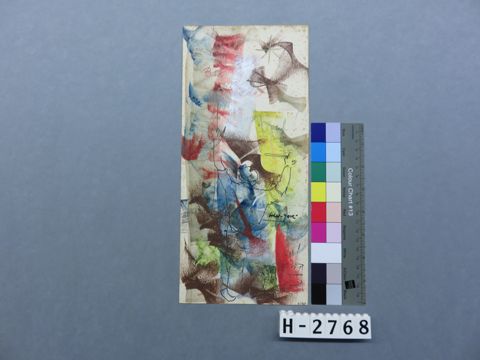
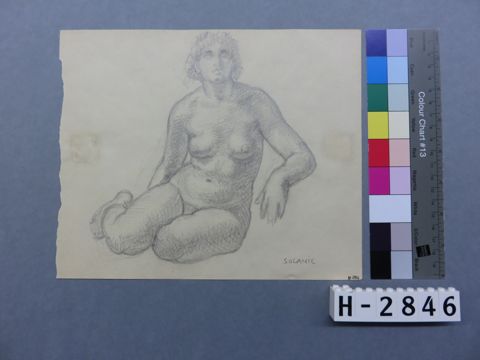
MdLH has a significant modern art collection made up of over 2,000 works from 20th century artists. It is the result of donations from collectors, institutions, private citizens and the artists themselves, as well as the Municipal Government’s acquisition policy. The privilege of holding such a collection was one of the motives behind the creation of the Museum of L’Hospitalet. Over the past 50 years, the collection has taken on significant volume with works from artists such as Dalí, Miró, Tàpies, Guinovart, Solanich, Josep Serra, Francesc Artigau, Concha Ibáñez and Mireia Miret, among others. The graphic work known as L’Estampa Popular a Catalunya and the collection of paintings by Rafael Barradas are especially noteworthy.
Acquisition policy
Regardless of their format or chronology, any items that attest to the art and history of l’Hospitalet de Llobregat are objects of interest for the MdLH. Phased-out industrial machinery and tools that have been used in the industries of the city, any objects related with migrations to l’Hospitalet de Llobregat, the most significant art works by local artists or any associated with the city, the objects of ethnological or historic interest that have been made or used in the municipality and all archaeological materials found within the city limits, will be considered high-priority.
Objects of ethnological or historic interest that, although not directly related with l’Hospitalet but have relevance or value, as well as objects of ethnological or historic interest that, although not made or used in the municipality, are similar to others that were, but have not been preserved, and that are necessary for the purposes of completing the Museum’s permanent exhibition, will also be considered objects of interest.
La política d’adquisicions del MdLH s’emmarca en la legislació actual i en el document marc de política d’adquisicions de la Xarxa de Museus d’Etnologia de Catalunya i de la Xarxa de Museus d’Història i Monuments de Catalunya.Per fer donacions al fons del museu cal tenir en compte aquests criteris i contactar amb cultura.museu@l-h.cat
5636 results
drawings, Solanic Balius, Rafael, 1992
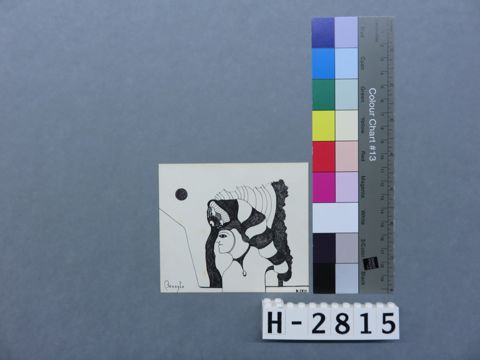
drawings, Beneyto, Juan Bautista Martínez, 1977
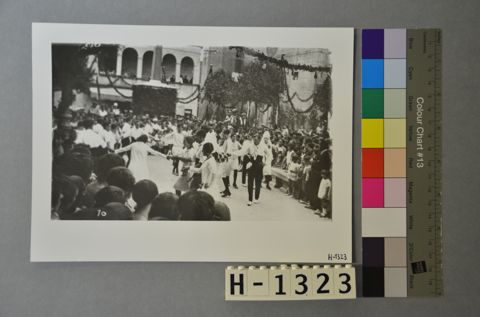
Ballet Popular a la Plaça de l’Ajuntament. Hospitalet [photographs], Oliveras, S – E. Prat de la Riba, 1927
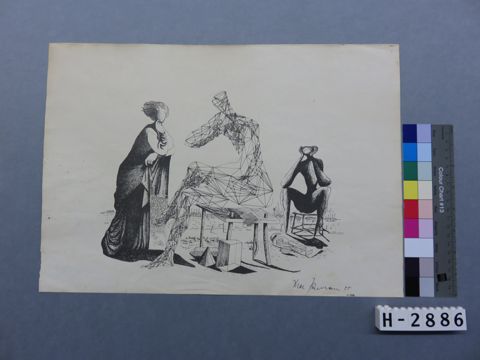
Galeria Kunst Klihm [engravings], Zimmermann, Mac, 1955
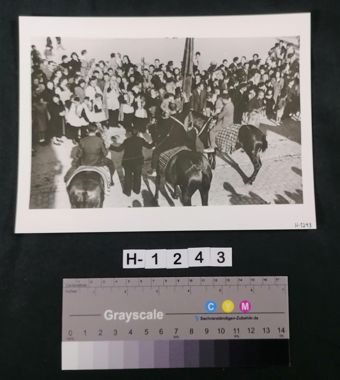
Festa de St.Antoni Abat.Cavalcada dels Tres Tombs.Hospitalet [photographs], -, 20th century
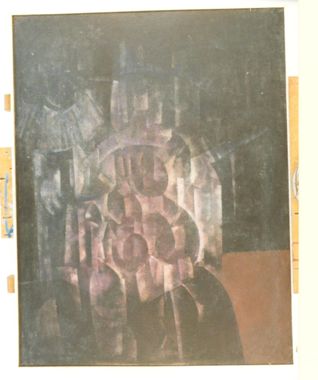
paintings, Iraizoz Michelena, Jesús, 20th century
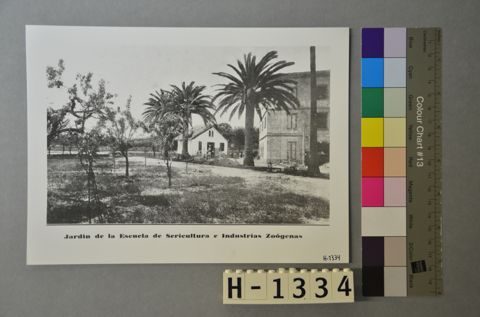
Jardins de l’Escola de Sericultura i Indústries Zoògenes “Can Bori”. Hospitalet [photographs], -, 1928
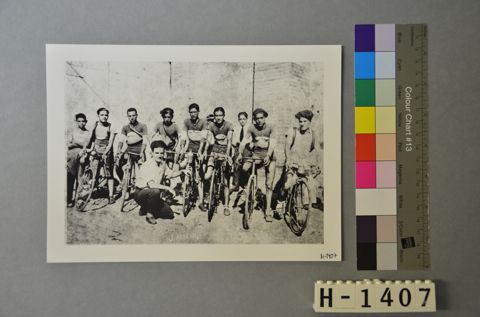
Unió Ciclista Hospitalet [photographs], -, 1934
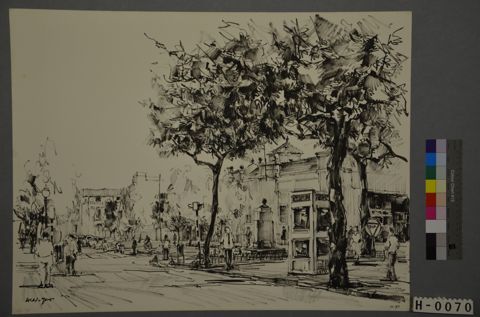
drawings, Soler-Jové, Joan, 1969
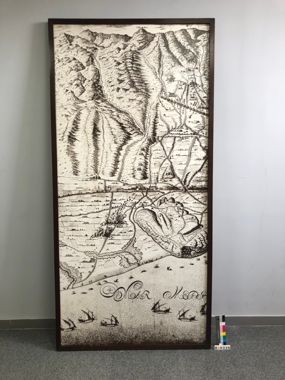
Plano de Barcelona sitiada por las armas de Francia el día 12 de Junio y defendida hasta 5 de agosto del año 1967 que fue entregada, capitulando según el más riguroso estilo de guerra, al Excmo. Sr. Don Jorge Landsgrave de Hassia, Virrey y Capitán General del Principado y Exercito de Catalunya. [plans], -, 1972
drawings, Soler-Jové, Joan, 1969
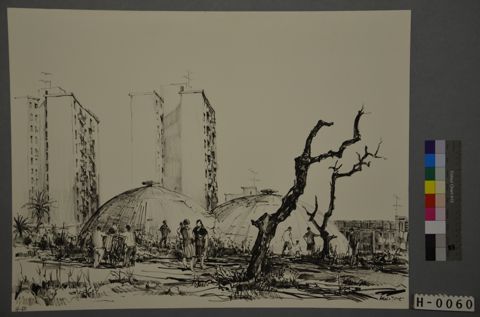
drawings, Andreu Fresquet, Jordi, 1973
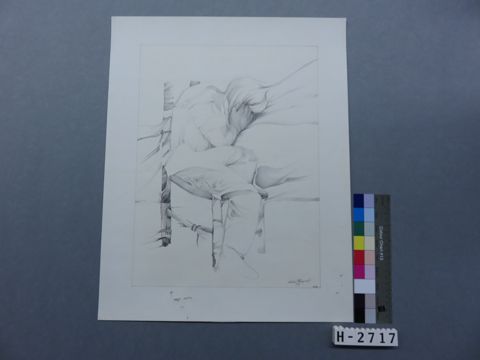
Roma [drawings], Soler-Jové, Joan, 1992
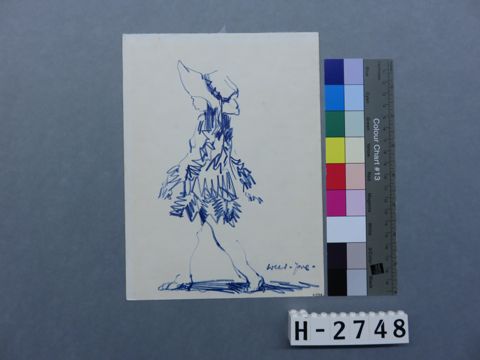
Can Maxacot.Hospitalet [photographs], –
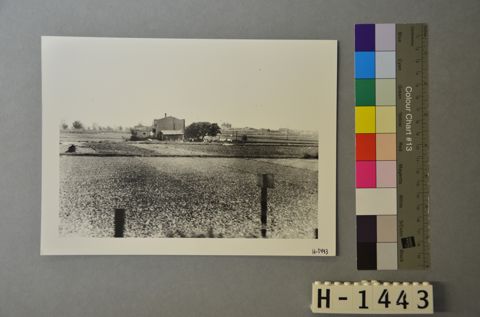
Riera de Canyet.Hospitalet [photographs], -, 1950
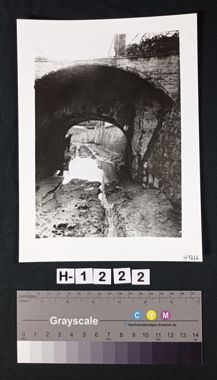
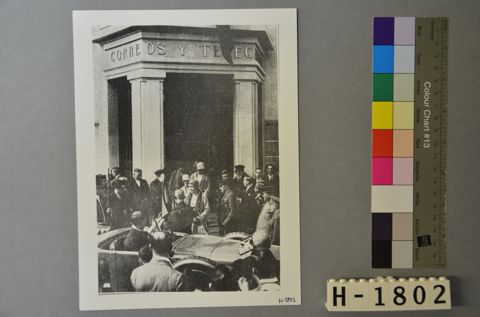
S.M. la Reina i les Infantes, amb motiu de l´inaguració de l´edifici de Correus i Telegrafs de l´Hospitalet. [photographs], -, 1927
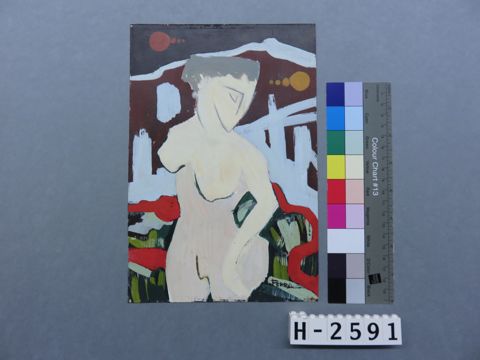
paintings, Moreno Ferrà, Miguel, 1992
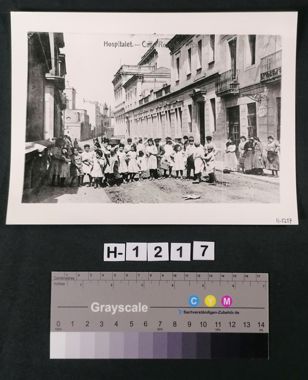
Carrer Rossend Arús Hospitalet de Llobregat [photographs], -, 20th century
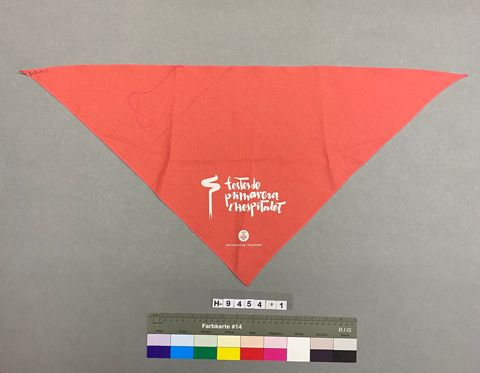
Mocador de les Festes de Primavera [neckerchiefs], -, 2015
collages, Barba Cantos, Lluís, 1989
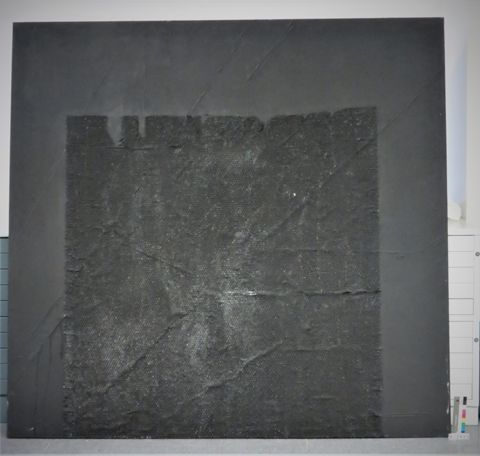
lithographs, Fontserè i Carrió, Carles, 1981
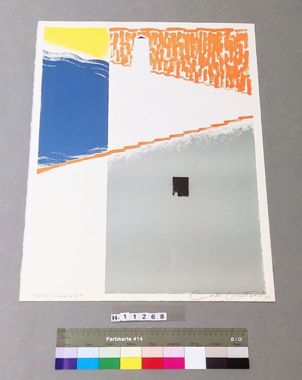
bloc viviendes Onésimo Redondo [black-and-white photographs], Lucerón Navarro, Esteve, 1978 – 1980
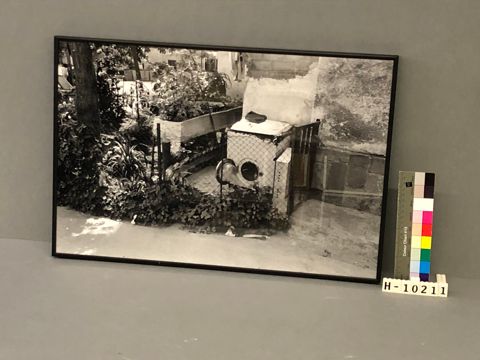
lithographs, Fontserè i Carrió, Carles, 1982
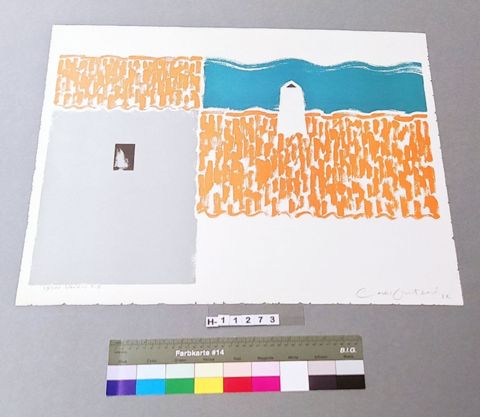
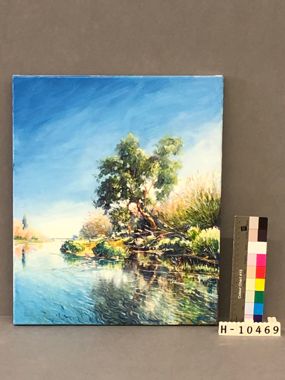
riu Llobregat [paintings], Ponomarenko, Dmytro, 2019
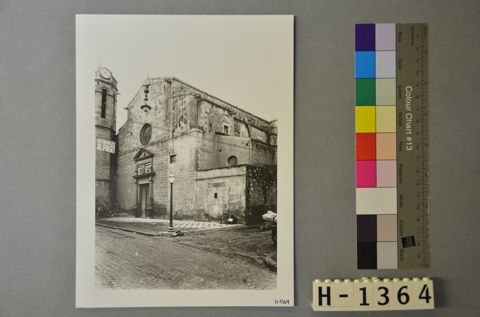
Santa Eulàlia de Mèrida. [photographs], –
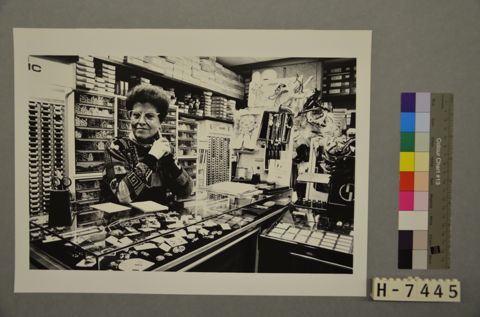
Toica [black-and-white photographs], Gómez Fabero, Juani
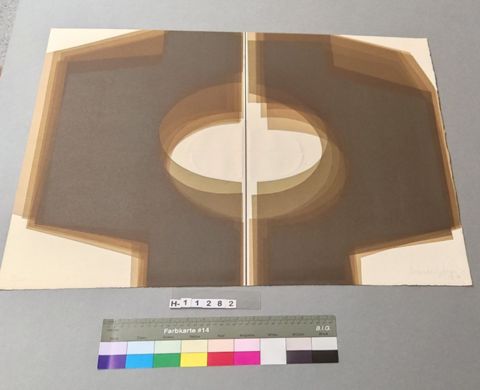
etchings, Gabino, Amadeo, 2000
Josep Castellnou [black-and-white photographs], –
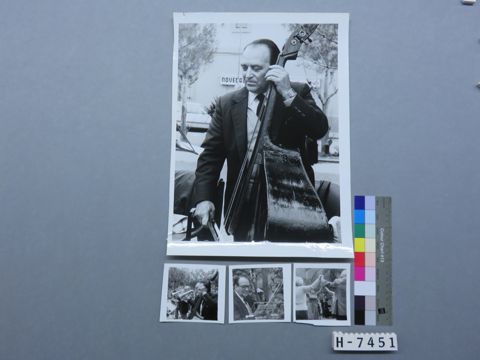
Ferran Soriano [black-and-white photographs], -, 1984
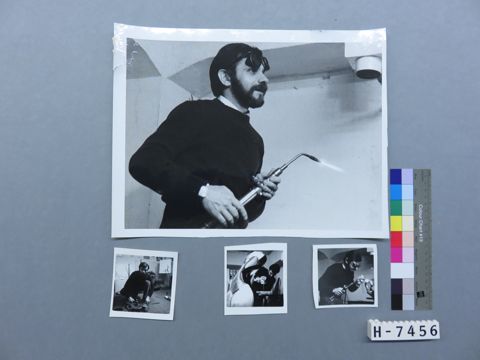
drawings, Soler-Jové, Joan, 1992